Knowing how to plan wedding music is one of the most meaningful parts of the entire wedding process.
The soundtrack you choose shapes the emotional experience of every guest in the room. Get it right, and people will remember the feeling of your day for years.
I have played at a few weddings around Lake Constance, and the one thing I hear from people afterwards is always the same: they remember how the music made them feel. Not so much the flowers, not so much the menu. The feeling the music left behind.
This guide walks through every stage of musical planning, from the first notes of the processional to the final song of the night.
Why Wedding Music Shapes the Entire Day
Music is not a background detail. It sets the tone before a single vow is spoken and keeps energy levels high long after dinner ends. Guests who might not remember the flowers or the centrepieces will remember how a song made them feel during the first dance.
On a wedding day, music does something words rarely manage: it reaches people before they have time to think. It moves straight to the feeling. That is why it matters so much to get it right.
Every transition deserves its own musical identity. The shift from ceremony to drinks reception should feel distinct from the move into evening dancing. Treating music as a structural element of the day, rather than an afterthought, is the single most effective way to create an atmosphere that lingers long after the last note fades.
When to Start Planning Your Wedding Music
The best musicians and DJs are often booked 12 to 18 months in advance, particularly for peak summer weekends. If you want a specific act, start researching as soon as you have a date and venue confirmed. I can only speak for myself here, but my calendar fills up quickly for summer weekends around Lake Constance, so reaching out early always pays off.
Even if you plan to use a curated playlist rather than live performers, starting early gives you time to discover music together as a couple. You can also gather input from family and refine your choices without pressure. Leaving it to the final weeks almost always results in a rushed and inconsistent selection, and music deserves better than that.
Choosing Wedding Ceremony Music
The ceremony has several distinct musical moments, each serving a different emotional purpose. Planning each one separately helps you build a coherent arc from arrival to exit. In my experience, the couples who think about each moment individually, rather than choosing one or two songs and leaving the rest to chance, always end up with a ceremony that feels complete.
Prelude Music for Guest Arrival
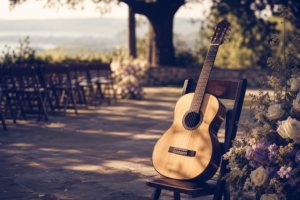
Prelude music plays as guests take their seats, typically for 20 to 30 minutes before the ceremony begins. This is an opportunity to set the overall mood before a single word is spoken. Soft acoustic guitar or a string quartet works well depending on formality. When I play prelude sets, I think of it as welcoming people gently into the atmosphere of the day, one song at a time.
Processional Songs for Walking Down the Aisle
The processional is the moment most couples think of first when considering wedding ceremony music. According to The Knot’s ceremony music guide, the processional song typically lasts between 3 and 10 minutes depending on the size of the wedding party and the length of the aisle. Choose something that reflects your personality as a couple rather than defaulting to tradition simply out of habit. If a song means something to you, that meaning will be felt in the room, even by guests who have never heard it before.
Interlude and Ritual Music
If your ceremony includes rituals such as a unity candle or a handfasting, having musicians play softly during those moments prevents an awkward silence. An instrumental version of a meaningful song is often the better choice here. Vocals can compete with the ritual itself, and the music should hold the space, not fill it.
Recessional Songs for Your Grand Exit
The recessional is your first moment as a married couple walking back up the aisle. It should feel celebratory and completely alive. Many couples choose something unexpected here, a joyful pop song or an upbeat classic, to signal that the party has officially begun. I love this moment. The energy in the room shifts instantly, and the right song makes it unforgettable.
Building Your Wedding Reception Playlist
The reception playlist requires more thought than simply picking favourite songs. You need to consider the flow of energy across several hours and the age range of your guests. I think of it like a good conversation: it needs a beginning that draws people in, a middle that holds them, and an ending they do not want to leave.
How to Create a Collaborative Guest Playlist
One effective approach is to ask guests for song requests as part of the RSVP process. This gives you a ready-made list of tracks that will genuinely connect with the people in the room. Tools like Catalist.fm allow you to create a shared playlist that guests can add to directly using a QR code.
There is something quietly clever about this approach. When a guest hears their own request played during the evening, they do not just enjoy the song. They feel seen. And a room full of people who feel seen is a room that comes alive. According to discussions on the Wedding Planning subreddit, couples who involve guests in the playlist process typically see more people on the dance floor and that tracks with everything I have observed at live events.
Structuring the Evening’s Musical Arc
A well-structured reception playlist follows a natural energy curve. Start with background-level music during the drinks reception and early dinner. As the meal ends, begin to introduce slightly more energetic tracks. Save the highest-energy songs for the later part of the evening when guests are ready to move.
Avoid front-loading your best tracks. If the dance floor peaks at 9pm and fizzles by 10pm, the evening ends on a low note, and that is what people remember. The art is in the pacing. Build slowly, trust the curve, and let the energy arrive naturally rather than forcing it.
Live Wedding Band vs. DJ: Which Is Right for You
This is one of the most common questions couples ask when planning wedding entertainment, and it is one I find genuinely interesting because there is no single right answer.
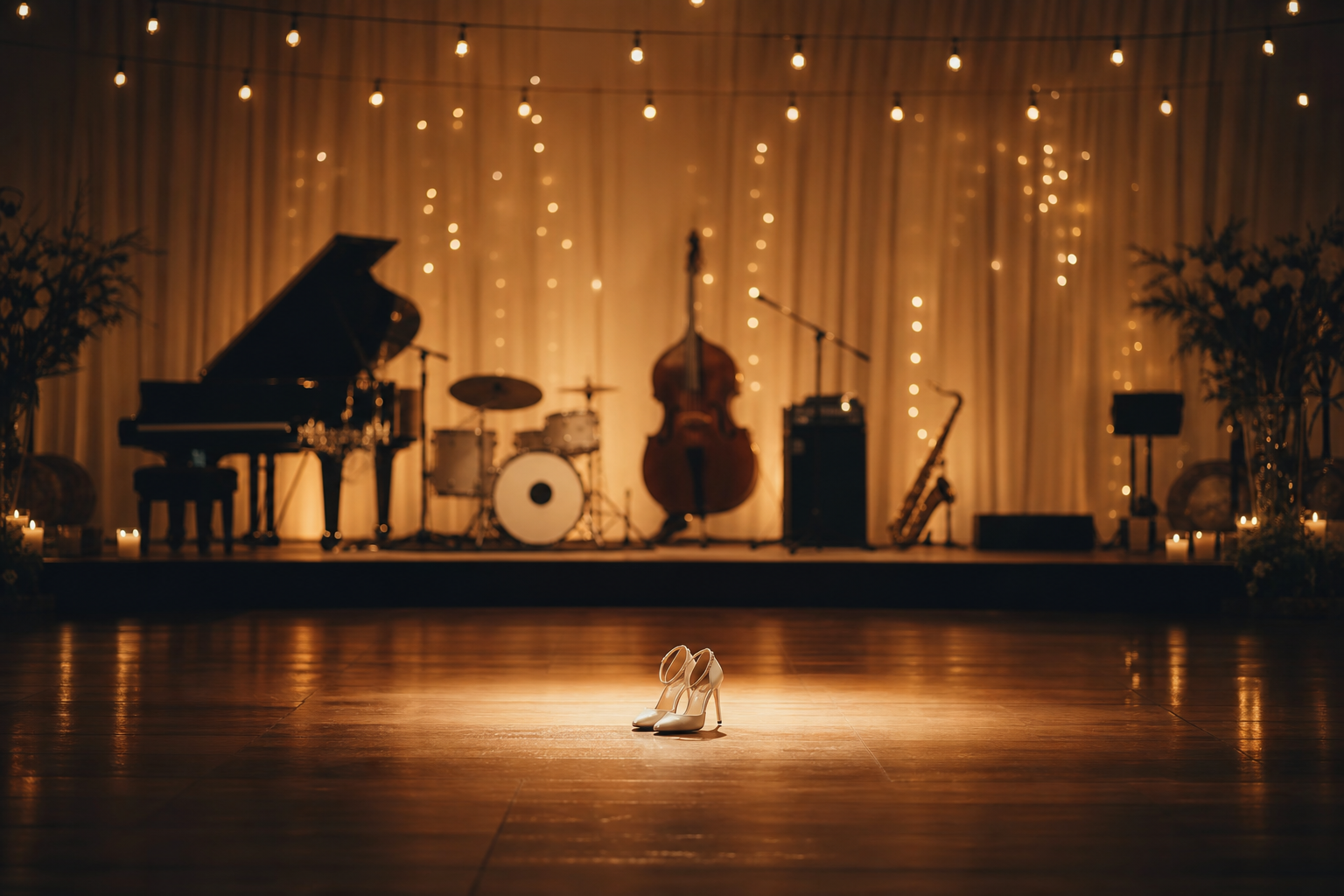
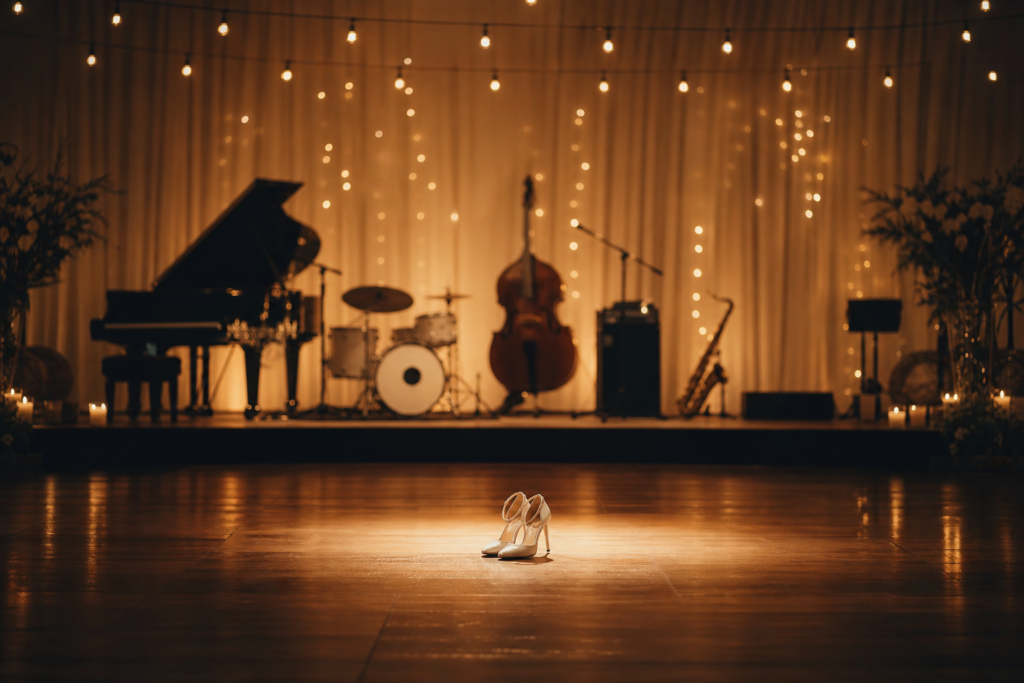
A live wedding band brings something a DJ cannot: the electricity of watching music being made in real time. When musicians are playing together in a room, guests feel it in a way that goes beyond sound. It creates a shared focus, a common heartbeat for the evening. That said, bands require more space, more setup time, and a higher budget. As noted by Last Minute Musicians, a four or five-piece band travels with heavy equipment, so your venue needs a clear plan for load-in and setup.
A DJ offers flexibility, a wider song selection, and a lower cost. In a smaller venue or one with acoustic restrictions, a skilled DJ is often the wiser and equally effective choice. What matters most, in my experience, is not the format but the person. A musician or DJ who listens, reads the room, and genuinely cares about the evening will always outperform someone technically superior who is simply going through the motions.
When to Consider a Solo Musician or Acoustic Duo
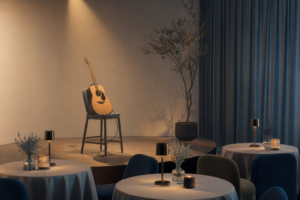
For smaller weddings or venues with strict noise limits, a solo musician or acoustic duo is worth serious consideration. They bring the warmth and authenticity of live performance without the logistical demands of a full band. A solo musician or acoustic duo brings something a full band rarely can: closeness. When there is just one voice and one guitar in the room, the music feels personal in a way that is hard to manufacture. I have played weddings in this format a couple of times, and what I notice is how quickly the room settles into something quiet and real. That quality is worth seeking out.
How to Plan Wedding Music and Choose the Perfect First Dance Song
The first dance song is the most personal musical decision of the entire day. It does not need to be a slow ballad, and it does not need to be a well-known classic. What matters is that the song means something specific to you as a couple.
Start by thinking about songs that already have significance in your relationship. A track that was playing during a memorable moment. A song from a concert you attended together. Even a piece of music that simply captures how you feel right now can work beautifully. One of the things I offer is the possibility of a custom-written first dance song, something that is yours alone and will never be played at another wedding. If that idea speaks to you, it is worth exploring.
If neither of you enjoys dancing, consider a shorter song or ask your musician to play an abbreviated version. Most professional musicians are happy to adapt if you ask in advance.
Music for the Drinks Reception and Dinner
The drinks reception is the transition between the ceremony and the evening, and the music should reflect that shift in atmosphere. Guests are mingling and unwinding. Jazz or acoustic covers work well here. The goal is music that enhances conversation rather than competing with it. I think of this as the moment where the music does its quietest and most important work.
During dinner, the same principle applies. Volume levels should sit comfortably below the level of conversation. Instrumental music or softly played acoustic sets tend to work better than high-energy tracks. Music at dinner should feel like good company, present but never demanding.
How to Work With Your Musicians or DJ
Clear communication with your musicians is essential. Provide them with a detailed timeline of the day well in advance. Include exact timings for the first dance and any parent dances. The more context you give, the better the music will serve the moment.
Give them a must-play list and a do-not-play list. The do-not-play list is often more useful than the must-play list. If there are songs that hold negative associations for you or your family, your musician cannot know that unless you tell them. A good musician will never guess. They will ask.
Before every wedding I play, I sit down with the couple for a proper conversation. Not a checklist call, but a real exchange about the day, the people, the feeling they are hoping to create. The music that comes out of those conversations is always better than music that comes out of an email thread. If your musician does not ask those kinds of questions, it is worth asking them yourself.
Venue Logistics and Sound Considerations
Before finalising any entertainment booking, check your venue’s specific requirements. Many venues have noise curfews and volume restrictions. Some enforce rules about amplified music in certain spaces. Historic buildings sometimes prohibit live bands entirely due to acoustic sensitivity. It is always worth asking, and a professional musician will ask these questions themselves if you forget.
Room acoustics also matter more than most people realise. A reverberant stone-floored venue can make live music feel overwhelming at high volume. A venue with soft furnishings absorbs sound very differently. I always arrive early enough to soundcheck properly before guests arrive. That preparation is part of the job, and it shows in the result.
Your Wedding Music Planning Checklist
A clear checklist prevents gaps in your planning. Work through each item methodically in the months leading up to the wedding.
- Book your band, DJ, or musician 12 to 18 months in advance
- Confirm your venue’s noise and amplification restrictions
- Select prelude and processional songs. Also choose interlude and recessional music.
- Choose your first dance song and communicate any edits to your band
- Build a must-play list and a do-not-play list for the reception
- Decide on background music for the drinks reception and dinner
- Collect guest song requests through your RSVP or a collaborative playlist tool
- Share a full day timeline with your musicians or DJ at least two weeks before the wedding
- Confirm load-in times and setup logistics with both the venue and your entertainment
- Arrange a pre-wedding call or meeting to walk through the event order
Frequently Asked Questions
How far in advance should we book a wedding band or DJ?
Most couples should book their wedding band or DJ 12 to 18 months before the wedding date, especially for popular summer weekends. The best performers fill their calendars quickly, so early booking gives you the widest choice.
How many songs do we need for a wedding ceremony?
A typical wedding ceremony requires five to eight songs: prelude music, a processional, one or two interludes for rituals, and a recessional. The exact number depends on the length and structure of your ceremony.
What is a reasonable wedding music budget?
Costs vary widely by region and the type of entertainment. A DJ typically costs between £500 and £1,500 in the UK. A live band ranges from £1,500 to £5,000 or more depending on the number of musicians and their experience. A solo acoustic artist is usually the most affordable live option.
Can we use a Spotify playlist instead of hiring a DJ or band?
Yes, a curated Spotify or Apple Music playlist is a viable option, particularly for smaller or more intimate weddings. You will need a reliable Bluetooth speaker system or a venue-provided sound system, and someone responsible for managing the playlist transitions throughout the day.
How do we handle song requests from guests we don’t want played?
Create a do-not-play list and share it with your DJ or band leader before the wedding. Inform your DJ that any guest requests must be checked against that list before being played. A professional DJ will handle those conversations tactfully on your behalf.
Going through this checklist together as a couple is also one of the more enjoyable parts of the planning process. Choosing songs is a genuinely fun exercise. It often leads to conversations about shared memories and the kind of atmosphere you want your guests to carry home with them.
If you are planning a wedding around Lake Constance and would like to talk about live music, a custom first dance song, or simply what the music for your day could feel like, reach out. I take on a limited number of weddings each year, which means I can give each one the attention it deserves. Let us find out whether we are a good fit.