
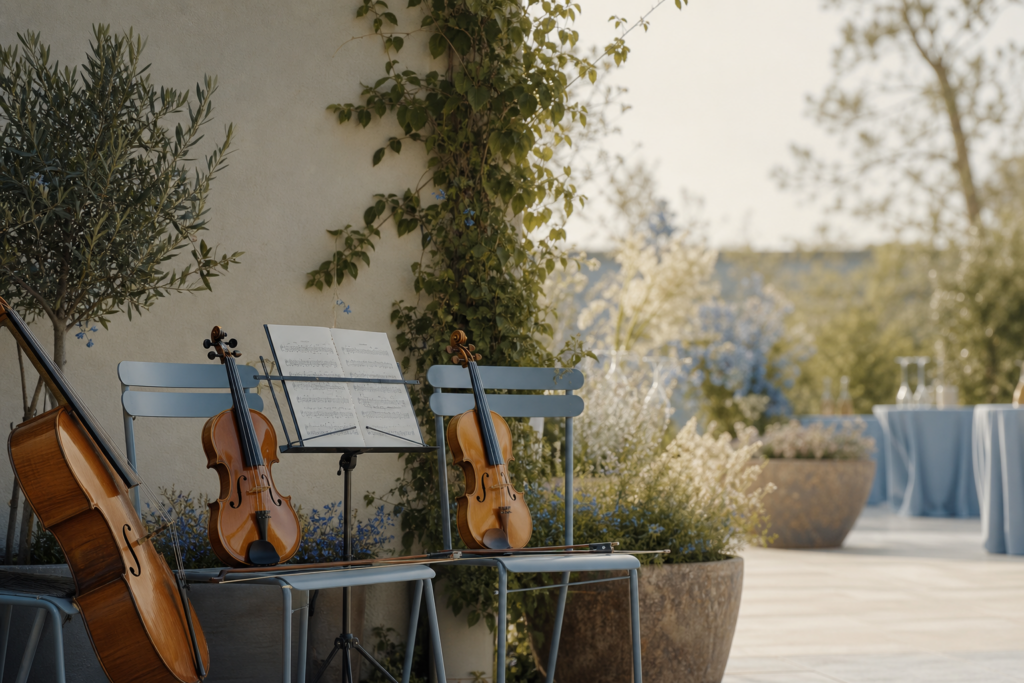
Whether you are hosting an intimate afternoon gathering or a large summer celebration, choosing the right music ideas for garden parties can transform the entire atmosphere of your event. The right soundtrack sets the mood before the first guest arrives. It also keeps energy at the right level throughout the day. I have played a couple of outdoor events around Lake Constance over the years, and I can tell you from experience: the music is never just background. It is the invisible thread that holds the whole evening together.
This guide covers live acts and playlist strategies, along with practical tips to help you match sound to setting.
Why Music Matters at Outdoor Celebrations
Music does more than fill silence at a garden party. It shapes how guests interact and how long they linger. It also influences how they remember the event. Research from music psychology consistently shows that tempo and genre influence social behaviour directly. Slower, melodic background music encourages conversation, while more energetic rhythms push people to move and mix.
I believe music is the language we all understand. We never had to learn it. We just have to remember it. And nowhere is that more true than at an outdoor gathering, where the air is open, the mood is relaxed, and people are genuinely present with each other. That is the moment when music can do something really special.
For outdoor settings, the acoustic environment is different from indoors. Sound disperses quickly in open air, so the type of performance or playback system you choose needs to account for that. A string quartet that sounds lush inside a hall can feel thin in a large garden without proper amplification.
Live Music Ideas for Garden Parties: Top Formats to Consider
Live music is almost always more memorable than a playlist alone. The presence of real musicians adds a visual and interactive element that recorded music cannot replicate.
In a world where so much of our listening happens through screens and earbuds, there is something very powerful about music being made live, in front of you, in the open air. A shared breath. A moment that exists only once, only there, only then.
Before booking, consider the size of your garden and the number of guests. The overall tone of the event matters equally. A formal afternoon tea calls for something refined. A casual barbecue with friends suits something looser and more spontaneous. The formats below cover a wide range of styles and budgets for various garden sizes. According to Function Central, the most popular live music formats for summer garden parties include Dixieland jazz and steel pan bands. Acoustic soloists also rank highly among hosts.
How to Match the Act to Your Audience
Think about who will be at your event. A multigenerational guest list needs music that works across age groups. Acoustic pop and classic jazz tend to sit well with guests of different backgrounds. Very niche genres can create connection for the right crowd but alienate others.
Also consider timing. A mellow acoustic duo works well for arrival drinks and early afternoon mingling. Something with more energy is better suited to the late afternoon when guests are relaxed and the party is in full swing.
String Quartets and Jazz Trios for Elegant Garden Events
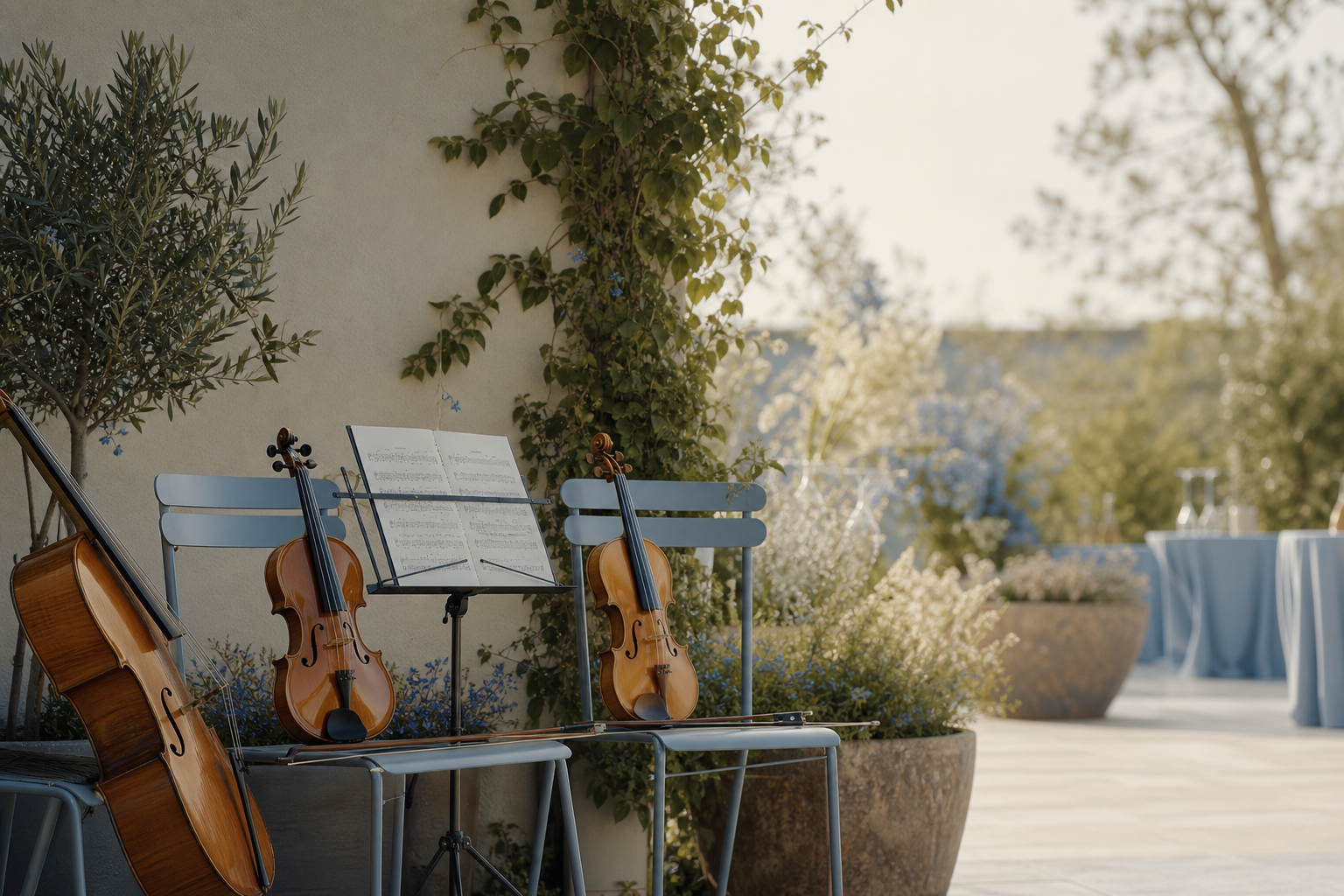
A string quartet is one of the most consistently well-received choices for garden parties that have a formal or semi-formal tone. The sound is warm and carries a natural prestige that puts guests at ease immediately. String trios are a smaller and slightly more affordable alternative without much loss in quality.
Jazz trios, particularly in the style of piano with bass and guitar, bring a similar elegance but with a little more swing and spontaneity. They suit garden parties where guests want background music that still has personality. The Magnolia Jazz Band, for example, has played extensively at garden events and notes on their garden party music guide that selecting music for an outdoor event is similar in its requirements to a wedding reception.
What Repertoire Works Best for String and Jazz Acts
For string quartets, arrangements of popular songs from the last few decades work well alongside classical pieces. Guests often enjoy recognising a familiar melody played in an unexpected way. Jazz trios can draw from standards by composers like Cole Porter and George Gershwin. They may also lean into more contemporary arrangements depending on the event.
Both formats benefit from having a clear brief before the event. Letting musicians know the age range of guests and any preferred artists helps them tailor their set effectively. Sharing the structure of the day adds further clarity.
Acoustic Soloists and Duos for Intimate Outdoor Gatherings
An acoustic soloist or duo is often the most cost-effective live option for smaller garden parties. A single guitarist or singer-songwriter can create a warm, personal atmosphere without requiring a large setup. This is the format I work in most often, and I can tell you from the inside: the simplicity of one voice and one guitar in a garden setting can be surprisingly powerful. There is nowhere to hide, and that honesty is exactly what makes it work.
Duos combining guitar with violin or vocals add a beautiful musical texture without overpowering conversation. For outdoor events, like a relaxed apéro in an idyllic lakeside garden along Lake Constance, acoustic acts are becoming increasingly popular. Formations like the Eastern Swiss Acoustic Duo Since11, or mobile roaming bands found on Swiss platforms like Stagend or Gig Heaven, offer a fresh, charming alternative to standard cover bands. Their light, unplugged sound is ideal for a cheerful and breezy atmosphere right by the water.
Acoustic Music Styles That Suit Garden Atmospheres
Folk and soft pop both work well acoustically in garden settings. Bossa nova offers another excellent option. These genres sit comfortably in the background without demanding attention, which is ideal during the food and drinks portion of an event. They also hold up in environments with ambient noise like wind or distant traffic.
A roaming acoustic act, where musicians move through the garden rather than staying on a fixed stage, adds an interactive element. Guests can find themselves drawn into the music naturally. This approach creates a more immersive experience than a static performance.
Upbeat Live Bands: Steel Pan, Brass, and Beyond
When the goal is energy and celebration, steel pan bands are difficult to beat. The sound is immediately evocative of warm weather and outdoor spaces. Steel pan music works particularly well at parties with a Caribbean or tropical theme, but it also brings a festive lift to any outdoor summer event.
Brass bands bring a different kind of energy. They are bold and communal, hard to ignore in the best way. A small brass ensemble can play everything from New Orleans jazz to contemporary pop arrangements. The volume is naturally suited to large gardens where sound needs to carry across open space.
Mariachi and World Music for Distinctive Garden Events
A Mariachi band is one of the more distinctive choices among music ideas for garden parties with a celebratory atmosphere. The ensemble typically includes guitars and trumpets alongside violins, all played at a volume that fills outdoor space naturally. It works well for milestone birthdays and large summer gatherings where a memorable experience is the priority.
World music acts more broadly, including Latin bands and Afrobeat groups, bring rhythm and movement to garden parties. They tend to work best when guests are already comfortable and the event has shifted from polite mingling into something more relaxed and celebratory.
DJ and Hybrid Acts for Modern Garden Party Entertainment
A DJ is a flexible choice for garden parties where the mood needs to shift over the course of several hours. Unlike a live band, a DJ can read the room and adjust tempo and genre in real time. For larger events with a wide age range, this adaptability is genuinely useful.
Hybrid acts that combine a DJ with a live instrument have become popular for garden parties. A saxophone player performing over a DJ set, for example, creates a sound that is both polished and alive. Acts that pair a vocalist with a DJ bring the energy of live performance without the logistical complexity of a full band.
Sax and DJ Combinations for Outdoor Events
The sax and DJ format has grown significantly in popularity at outdoor summer events. The saxophone adds warmth and spontaneity to electronic music, making it feel less clinical and more appropriate for a social garden setting. The DJ handles tempo and structure while the saxophonist responds to the mood of the crowd.
Bongos paired with a DJ offer a similar dynamic but with a more percussive and rhythmic feel. This format suits garden parties that lean toward a lounge or Ibiza-style atmosphere. Both setups require relatively modest equipment compared to a full live band, which makes them practical for medium-sized gardens.
Building a Garden Party Playlist: Genre and Tempo Tips
Not every garden event has the budget for live entertainment. A well-constructed playlist can do a great deal of work if it is planned carefully. The key is to think in phases: arrival and mid-party, then late afternoon or evening.
During arrival, keep the tempo moderate and the energy welcoming. Acoustic pop and bossa nova both work here, as does soft jazz. As the party progresses, gradually increase the pace and energy with more upbeat tracks. By late afternoon, when guests are loosened up, you can introduce tracks with a stronger beat.
Recommended Genres for a Seamless Garden Party Soundtrack
Indie folk and classic pop work well together in a mid-afternoon garden setting. Artists with a clean, warm sound like Jack Johnson or Norah Jones are broadly appealing and easy to listen to over long periods. Classic soul tracks from the 1960s and 1970s also hold up well at garden parties because they are melodic and familiar to multiple generations.
For a more contemporary feel, tracks by artists in the tropical house or chillout genre add a modern edge without being abrasive. These genres blend well with more traditional pop and acoustic material. This allows a playlist to shift tone smoothly over the course of an afternoon.
Nature-Themed and Folk Songs That Suit Garden Settings
Some songs feel genuinely suited to being heard outdoors. Folk music with nature imagery creates a natural connection to the garden setting. Pete Seeger’s “Inch by Inch” and Simon and Garfunkel’s “Scarborough Fair” both carry a pastoral quality that feels at home in a garden.
These kinds of tracks work well early in a garden party when the mood is reflective and relaxed. They do not need to form the backbone of a full playlist, but scattering a few nature-themed songs through an afternoon set adds a layer of thematic coherence that guests may not consciously notice but will feel.
Blending Folk and Contemporary Tracks in a Garden Playlist
The transition from folk to contemporary pop needs to be handled with some care. Sudden changes in tempo or production style can break the atmosphere. One useful approach is to use artists who bridge genres, such as Bon Iver or Fleet Foxes. These musicians combine folk instrumentation with contemporary production.
Van Morrison is another artist whose catalogue suits garden parties well. “Moondance,” which appears frequently in recommendations for outdoor summer gatherings, works at almost any point in a party. Its rhythm is lively enough to lift energy without crossing into dance music territory.
Practical Tips for Outdoor Sound Setup and Noise Levels
Outdoor acoustics differ significantly from indoor spaces. Sound disperses in open air, which means a speaker system that works perfectly in a living room may feel underpowered in even a medium-sized garden. For a live act, discuss amplification requirements with the performers before the event date.
Noise ordinances are a real consideration for residential garden parties in Switzerland. Most Swiss municipalities have guidelines on amplified music outdoors, and these vary from canton to canton. In many residential areas, amplified music is expected to end by 10pm on weekdays and midnight on weekends, though local rules differ and it is always worth checking with your municipality in advance.
Acoustic performances or lower-volume acts are often the more practical and neighbour-friendly choice, without compromising the quality of the experience. In fact, an acoustic guitarist or singer-songwriter in a garden setting rarely needs amplification at all for smaller gatherings, which removes the question entirely and often produces a more intimate result.
Equipment and Staging Considerations for Garden Performances
A flat, stable surface is important for any live act. Soft ground like lawn can be problematic for speaker stands and drum kits. If the garden has a patio or decked area, this is the natural staging point for performers. For larger parties, a portable stage raised slightly from the ground gives guests a clear sightline to the act.
Power supply is another practical factor. Live acts and DJ setups require a reliable electricity source. Extension cables trailing across a garden present a safety risk, so plan cable routing before the day. Many performers bring their own leads and specify their power requirements in advance. Clear communication during the booking process prevents problems.
Frequently Asked Questions
What are the best music ideas for garden parties on a tight budget?
An acoustic soloist or duo is usually the most affordable live option. Alternatively, a well-curated Spotify playlist through a quality portable speaker can work well. Focus on smooth genre transitions and build the tempo gradually across the afternoon.
How loud should music be at a garden party?
Music should sit at a level where guests can hold a conversation without straining. A good rule is that background music should be audible but not dominant. For live acts in residential areas, check local noise guidelines and keep amplified music below levels that would disturb neighbours, particularly after early evening.
What type of live band works best for a large garden party?
For large outdoor spaces, acts with natural volume work best. Steel pan bands and brass ensembles carry well without relying heavily on amplification. A DJ with a live saxophonist is another strong option because the setup is scalable and adaptable to the crowd size and mood.
Should garden party music be different for a daytime versus evening event?
Yes. Daytime garden parties benefit from lighter, acoustic-leaning music that complements conversation and relaxed socialising. Evening events can handle more energy and volume. A DJ or a band with a fuller sound suits the transition into evening, when the atmosphere tends to become more celebratory.
What genres suit a family-friendly garden party with guests of different ages?
Classic pop, acoustic folk, and jazz standards all appeal across age groups. Avoid very genre-specific acts unless you know your audience leans that way. Soul music from the 1960s and 1970s is a reliable choice because it is melodic and familiar to both older and younger guests.
If you are looking for an acoustic musician for your garden party around Lake Constance, I would love to hear from you. Every event is different, and I enjoy finding the right music for the right moment. Get in touch and let us talk about what your gathering needs.